
Loading...
Serving Jackson, TN and surrounding areas. (731) 891-0854
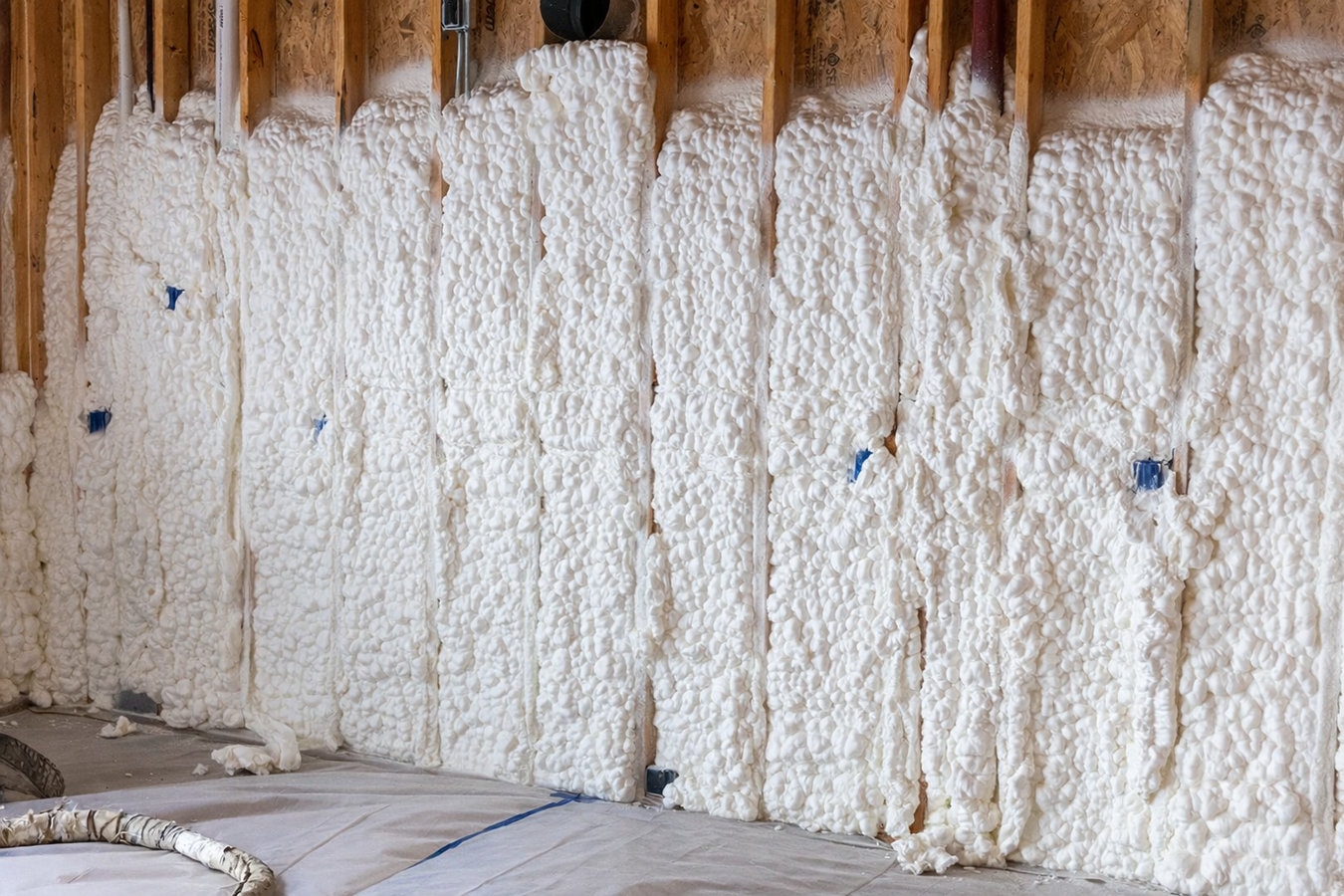
Jackson summers are hot and humid, and a home that leaks air pays for it in high electric bills, uneven temperatures, and moisture that works on your structure quietly for years. Closed-cell foam insulation seals gaps and blocks moisture in a single application - the most complete solution for West Tennessee's climate.
Closed-cell spray foam insulation in Jackson, TN is a two-part liquid sprayed onto surfaces inside walls, attic spaces, or crawl spaces that expands into a firm, dense foam - sealing air gaps and adding insulation in one step - and most jobs take one to two days depending on the area being treated. Unlike batts or blown-in material, it hardens in place, does not settle, and acts as a moisture barrier as well as a thermal barrier, which is what sets it apart in West Tennessee's humid climate.
Closed-cell foam is denser and more moisture-resistant than open-cell foam, which matters a great deal in a city where summer humidity regularly sits above 70 percent and crawl space moisture is a routine concern. Many Jackson homes were built in the 1950s through 1980s with little or no air sealing, and the foam's ability to fill irregular gaps and conform to surfaces makes it particularly effective in older construction where batts would leave voids. When combined with spray foam insulation planning across multiple areas, it delivers the most complete thermal and moisture protection a home can have.
The Spray Polyurethane Foam Alliance provides homeowner resources on what to expect from a foam installation, including re-entry times, contractor questions to ask, and how to verify the quality of a finished job.
If your electric bill climbs sharply from June through September and your HVAC unit runs constantly but the house never quite cools down, air leakage and poor insulation are the most likely culprits. Jackson summers regularly push into the mid-90s with high humidity, and a home that is not properly sealed bleeds cool air faster than your system can replace it. This is one of the most common complaints from homeowners in older Jackson neighborhoods.
If you notice a damp, musty smell in your home - especially in the spring and early summer when West Tennessee humidity climbs - moisture is likely entering through an uninsulated or poorly sealed crawl space. You might also notice that hardwood floors feel slightly soft or springy in spots, which can be an early sign of moisture damage to the subfloor. These are warning signs worth taking seriously before the problem gets expensive.
If one bedroom is always stuffy in summer or a room above the garage never seems to warm up in winter, that room likely has inadequate insulation or significant air leaks. Uneven temperatures throughout the house are a reliable sign that conditioned air is escaping and outside air is getting in somewhere it should not be. Closed-cell foam applied in the right locations can even out those temperature differences.
Gaps in insulation and air sealing are the same gaps that insects, mice, and other pests use to get inside. If you have noticed an uptick in bugs or rodents entering your home - especially around the foundation or where pipes and wires enter the walls - those entry points are also letting in outside air and moisture. Sealing them with foam addresses both problems at once.
We install closed-cell spray foam in the locations where it delivers the most value for Jackson homes. For most homeowners, that means crawl spaces and rim joists first - the spots where moisture and air leakage combine to cause the most damage in West Tennessee's climate. We use truck-mounted or trailer spray rigs with two-component systems, and our crew wears full protective gear during application. You receive a walkthrough when the job is done showing you the coverage and thickness at multiple points.
Some homeowners are weighing closed-cell against open-cell foam insulation, which costs less per board foot and works well for interior sound dampening or attic applications where moisture resistance is less critical. The choice depends on where the foam is going and what problem you are solving. We explain the tradeoffs clearly during your estimate so you can make a confident decision rather than just being sold the more expensive product. The EPA's spray polyurethane foam safety guidance is a useful reference for understanding re-entry times and ventilation requirements after application.
The most common application in Jackson - sealing the underside of the floor or crawl space walls stops moisture, pests, and energy loss in one step.
Creates an unvented hot-roof assembly that is ideal for older Jackson homes with complex attic shapes where blown-in insulation cannot fully cover.
The framing at the top of your foundation wall is one of the leakiest areas in any home - a quick foam application here delivers fast, measurable energy savings.
For homes undergoing renovation or re-siding, injecting closed-cell foam into wall cavities adds both insulation value and moisture resistance to the building envelope.
Jackson sits in a climate the U.S. Department of Energy classifies as mixed-humid - hot, sticky summers and cold winter snaps that put insulation to work in both directions. The area's clay-heavy West Tennessee soils hold water after heavy rains, building pressure against crawl space walls and foundations long after the storm has cleared. For any insulation material placed in contact with those surfaces, moisture resistance is not a nice-to-have - it is the factor that determines whether the investment holds up over years or becomes a mold problem hidden from view. Homeowners we serve across Memphis face the same wet-soil challenge and often reach the same conclusion about closed-cell foam in crawl spaces.
A significant share of Jackson's existing homes were built before the mid-1990s, when insulation standards were much lower and crawl spaces were often left unaddressed entirely. Neighborhoods like North Highland and Lambuth contain homes where wall cavities have settled, attic insulation has degraded, and crawl spaces have never been properly sealed. Closed-cell foam fills those gaps in a way that batt insulation cannot - it conforms to irregular surfaces and seals air leaks at the same time it adds thermal resistance. Homeowners in Jackson who have had this work done consistently report that their home feels more comfortable and more evenly cooled within the first week after installation. TVA's EnergyRight program has historically offered rebates for insulation improvements - worth confirming current eligibility before your project starts.
We reply within 1 business day. The first conversation covers the age of your home, which areas you want insulated, and whether you have noticed moisture or comfort problems. No commitment is needed to get started.
The contractor visits, looks at your attic, crawl space, or walls, takes measurements, and explains what they see in plain terms. You receive a written estimate that spells out the scope of work, areas covered, and total cost - not just a single number.
You will need to clear stored items and ensure easy access to the work area. The contractor gives you a specific list of what to move. Plan to stay out of the treated area during the work and for a few hours afterward while the foam finishes curing.
The crew applies foam using spray equipment. Most jobs finish in one day. Before leaving, the contractor walks you through the finished work - showing you coverage and thickness at multiple points - and cleans up all materials and protective sheeting.
Free written estimate. No obligation. We reply within 1 business day.
(731) 891-0854Spray foam reacts to heat, and a Jackson attic in July can be extreme. We schedule attic work in the early morning during summer months and check surface temperatures before spraying. Getting this right is something experienced local contractors know to do - and it makes a real difference in how the foam cures and performs.
We have worked in older neighborhoods like North Highland and Lambuth and on newer homes on the north side. We know which parts of Jackson have the most prevalent crawl space moisture issues and which eras of construction are most likely to have under-insulated wall cavities.
Every project starts with an on-site assessment and a written estimate with a clear scope, so you know the price and the plan before signing anything. We document the work we complete, so you have a clear record of what was installed and where.
We reply to every inquiry within 1 business day and can typically schedule an assessment the same week. Jackson summers are long, and the energy savings from proper closed-cell foam application start the first full billing cycle after installation.
Closed cell spray foam applied incorrectly is difficult and expensive to fix, which is why choosing an experienced contractor matters more here than with most other insulation types. Every project we complete includes a final walkthrough where we show you the work - you do not have to take our word for it that the job was done right.
Open-cell foam costs less per board foot and excels at sound dampening - a useful comparison to make when choosing between the two foam types for interior walls or attic applications.
Learn moreAn overview of all spray foam options - closed-cell and open-cell - and how to decide which product fits your space, budget, and moisture conditions.
Learn moreSummer is the hardest season on an under-insulated home - the sooner we seal it, the sooner you stop paying for air and moisture that should never be getting in. Contact us and we will reply within 1 business day.