
Loading...
Serving Jackson, TN and surrounding areas. (731) 891-0854
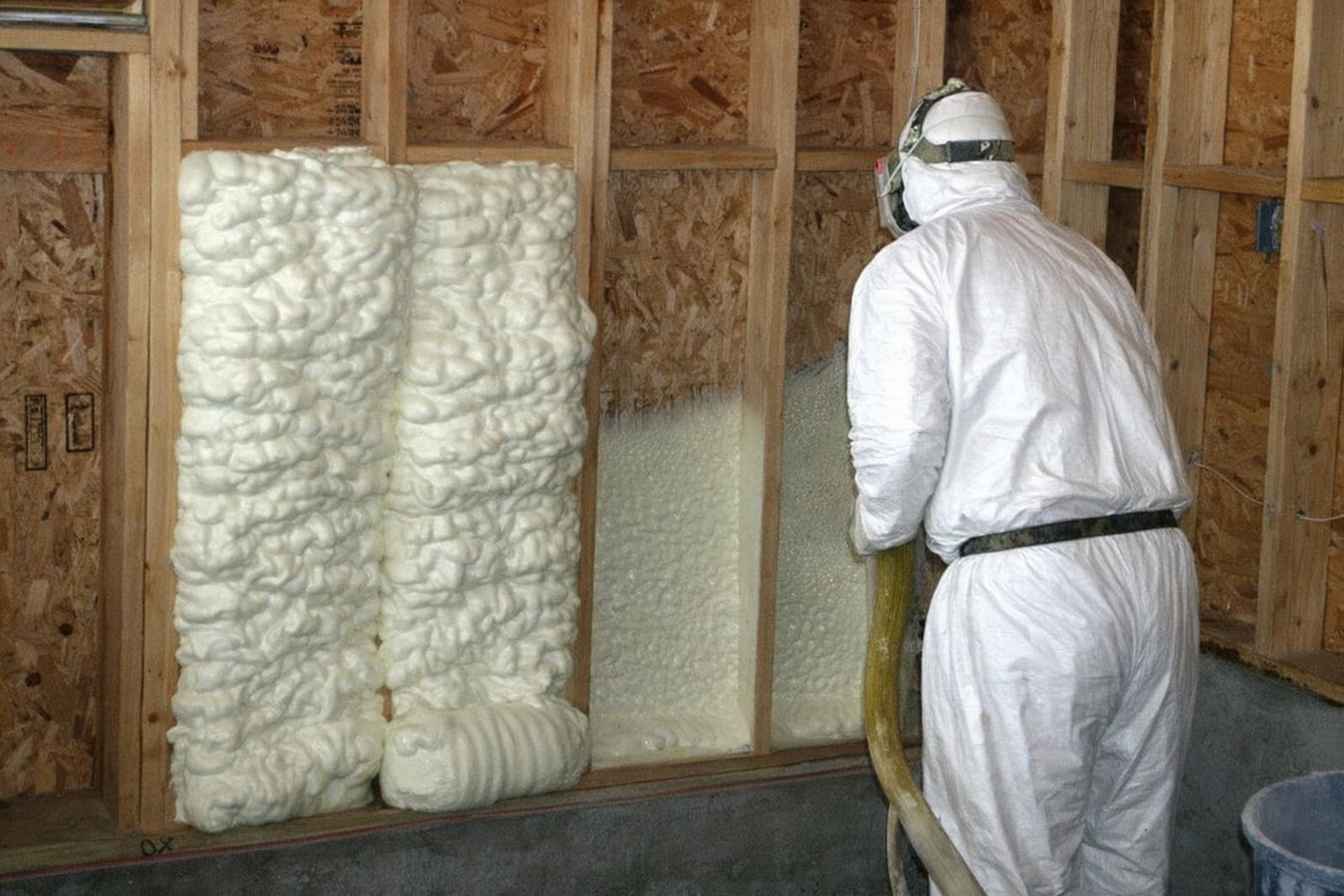
Jackson summers punish leaky attics and walls - open-cell spray foam seals every gap and slows heat transfer in one installation, so your home stays comfortable and your AC stops running nonstop.
Open-cell foam insulation in Jackson is a spray-applied product that expands to fill every gap, crack, and cavity it contacts - sealing air leaks and adding insulation value in a single step - and most residential jobs are completed in one day with no need to open finished walls or ceilings.
For Jackson homeowners, the air-sealing quality is what separates open-cell foam from traditional batts. Fiberglass and cellulose slow heat moving through solid surfaces, but they do nothing to stop air flowing through gaps. Open-cell foam expands up to 100 times its original size and conforms to every irregular surface - the kind of framing you find in older Jackson homes built in the 1950s through 1980s. That expansion is how it reaches the gaps that other products miss.
Open-cell foam works well alongside attic air sealing for a complete treatment - foam applied to the attic deck handles the large surface area while targeted sealing closes every penetration at the attic floor. Together they give you the strongest possible envelope improvement for a home that has been leaking heat and conditioned air for years.
If your electric bill climbs sharply from June through September and your air conditioner seems to run almost without stopping, your attic is likely the culprit. Jackson's summer heat is intense enough that a poorly insulated attic can add significant cost to your cooling bills each season. If you stand near your ceiling on a hot afternoon and feel warmth radiating down, that is a clear sign heat is moving through unchecked.
If one bedroom is always stuffy in summer or freezing in winter no matter how you adjust the thermostat, air is almost certainly leaking in or out through gaps in that area. This is especially common in older Jackson homes where framing around windows, exterior walls, and attic hatches was never properly sealed. Open-cell foam fills those hidden pathways and brings those rooms back into balance.
Hold your hand near an electrical outlet on an outside wall on a cold or windy day. If you feel cool air moving, there are gaps in the wall cavity behind it that connect directly to the outside. This is a textbook sign of an under-insulated or poorly sealed wall, and it is more common in Jackson's pre-1990s housing stock than most homeowners realize.
Jackson's summers bring high outdoor humidity, and when air leaks freely through your walls and attic, that moisture comes with it. If your home feels clammy or windows fog up on the inside during humid stretches, your insulation and air sealing are not keeping outdoor air where it belongs. Open-cell foam seals those entry points and helps your air conditioner manage indoor humidity more effectively.
The most common open-cell foam application in Jackson is the underside of the roof deck in an unvented attic assembly. Rather than insulating the attic floor and leaving a hot attic above, this approach treats the roof deck itself, turning the attic into a semi-conditioned space that stays far closer to your living area temperature. The difference on a hot July day is significant - and it gives your air conditioner a more manageable job. For homeowners who want a complete solution, we pair the roof deck foam with attic air sealing to close every penetration at the ceiling level.
We also install open-cell foam in wall cavities and accessible areas of crawl spaces where conditions are right. For crawl spaces, the assessment matters - open-cell foam is not the right choice if your crawl space has a moisture problem, and we will tell you so honestly before recommending a product. If you are comparing open-cell to closed-cell foam, our spray foam insulation page walks through how the two products compare. The ENERGY STAR Seal and Insulate program provides guidance on where air sealing and insulation work together for the best results.
Applied to the underside of the roof deck to create a semi-conditioned attic space - the strongest upgrade for homes with hot upstairs rooms.
Injected into finished wall cavities to eliminate air leaks and heat transfer through exterior walls, especially in pre-1990s homes.
Used in crawl spaces with stable moisture conditions - a contractor should assess the space before recommending open-cell over closed-cell foam.
Pairing open-cell foam with targeted air sealing delivers the strongest comfort and efficiency results for leaky older homes throughout Jackson.
Jackson sits in a humid subtropical climate zone where July temperatures regularly push into the 90s and attic spaces can exceed 140 degrees on a hot afternoon. That heat radiates down through the ceiling all evening, keeping living spaces warm long after the sun sets. Traditional fiberglass insulation on the attic floor slows that transfer somewhat, but it does nothing to stop the hot air that fills the attic space itself. Open-cell foam applied to the underside of the roof deck addresses both problems - heat transfer through the surface and the hot air mass above your ceiling. Homeowners in neighborhoods like Jackson, TN and those we serve throughout the surrounding area consistently report that upstairs rooms feel dramatically different after this treatment.
A large share of Jackson's housing stock was built between the 1940s and 1980s - before energy codes required tight construction. Those homes were built to breathe, which means gaps around every pipe, wire, and joist that have never been sealed. Open-cell foam is particularly well-suited to this older framing because it conforms to irregular shapes and fills voids that no pre-cut product can reach. Customers we serve in areas around Memphis, TN and throughout West Tennessee face the same combination of hot summers and older housing that makes spray foam one of the most impactful single upgrades available.
When you reach out, we ask a few basic questions about your home and the areas you want treated. We reply within 1 business day and can usually schedule your estimate within the same week.
We walk through the areas you want treated, take measurements, and look for any moisture or framing issues that need to be addressed first. You receive a written estimate that breaks down what is being done and the total cost before any commitment.
The crew arrives with their equipment, protects surrounding surfaces, and applies the foam. It expands and firms up within seconds. Most attic or crawl space jobs take a few hours of spraying, though setup and cleanup add time to the day.
Once the foam has cured, excess is trimmed flush with the framing and the crew does a visual check for full coverage. Plan to stay out of treated areas for at least 24 hours after spraying - your contractor will give you a specific return time.
Free estimates - no commitment. We walk your home, explain what we find, and give you a written quote you can review at your own pace.
(731) 891-0854Every project starts with an on-site assessment and a written estimate with a clear scope, so you know the price and the plan before you commit - not a number pulled from a phone conversation.
We walk your attic, walls, or crawl space before quoting - never a rough number from a phone call. You get a written figure based on what is actually there, so there are no surprises when the crew arrives.
We know the older brick ranch homes near downtown Jackson, the subdivisions around Lambuth and North Highland, and the specific air sealing challenges those homes present. That local experience shapes every recommendation we make.
We reply to every inquiry within 1 business day. Jackson summers fill contractor calendars fast, so reaching out early means faster scheduling and a sealed home ready before the heat takes over.
The Spray Polyurethane Foam Alliance sets the training and installation standards we work to on every job. When you combine experienced crews, a written estimate process, and local experience with older West Tennessee housing stock, you get a team that can tell you honestly whether open-cell foam is the right product for your specific home - and install it correctly when it is.
Targeted sealing of every gap in your attic floor before or alongside insulation - the step that makes spray foam perform at its best.
Learn moreA complete overview of spray foam options including both open-cell and closed-cell products and where each one fits.
Learn moreSpray foam contractors book up fast once the heat arrives - schedule your free estimate now and have your attic and walls treated before the hottest weeks of the year.